
First off, let me remind you that the views expressed in this are only my own views. I am not affiliated with, associated with, employed by, or in cahoots with anyone. So read on, my friend, and take with you what feels good, leave behind whatever doesn’t.
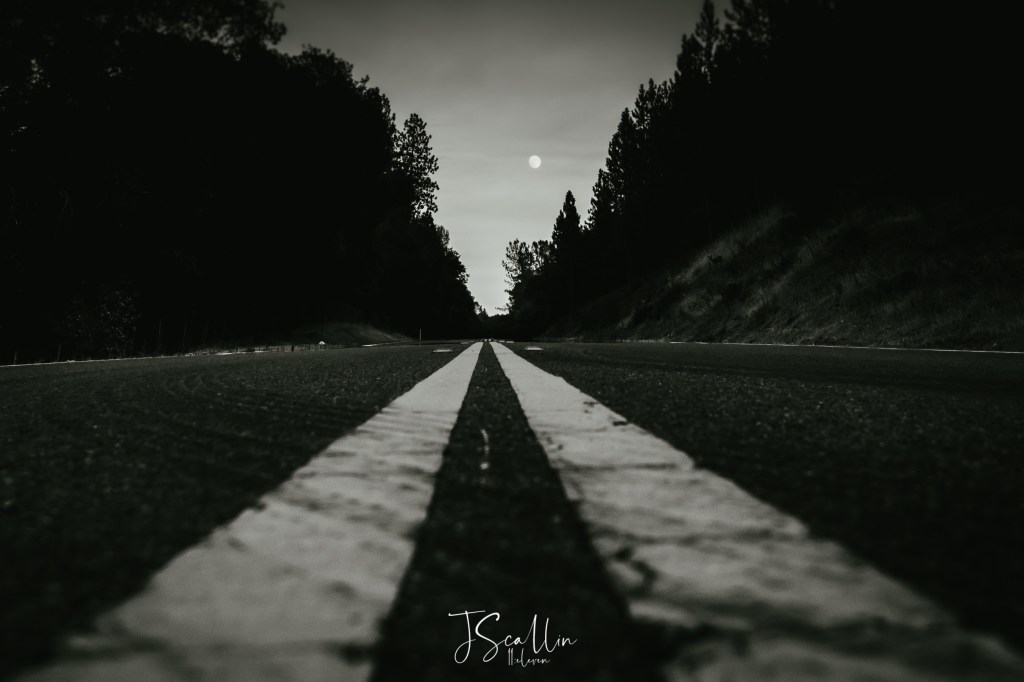
In my opinion, photography is an amazing way to tell a story or express an idea, a feeling, or an emotion. There are many techniques that a photographer can use to create a captivating or visually engaging image, and leading lines is one of the simplest techniques, yet most impactful. The visual elements of leading lines draw the viewer in, guiding the viewer’s eyes through the photograph, with the intention of leading them to experience the image rather than just viewing it.
Leading lines are a compositional element within an image that can draw the viewer in to a specific point of interest or subject, then direct the viewer’s gaze across the image so they can see the entire image or lead them to a second point of interest. They can be found as either natural or man-made or sometimes even implied, and their purpose is to establish a visual path that draws the eye deeper into the image. The most common examples of leading lines are roads, railroad tracks, rivers, fences, and architectural elements like walls or staircases.
Leading lines are a great way to convey perspective. When lines converge as they disappear into the distance, it creates a sense of depth and dimension in a two-dimensional image. The point where they converge is known as the vanishing point, and most often appears along the horizon line.
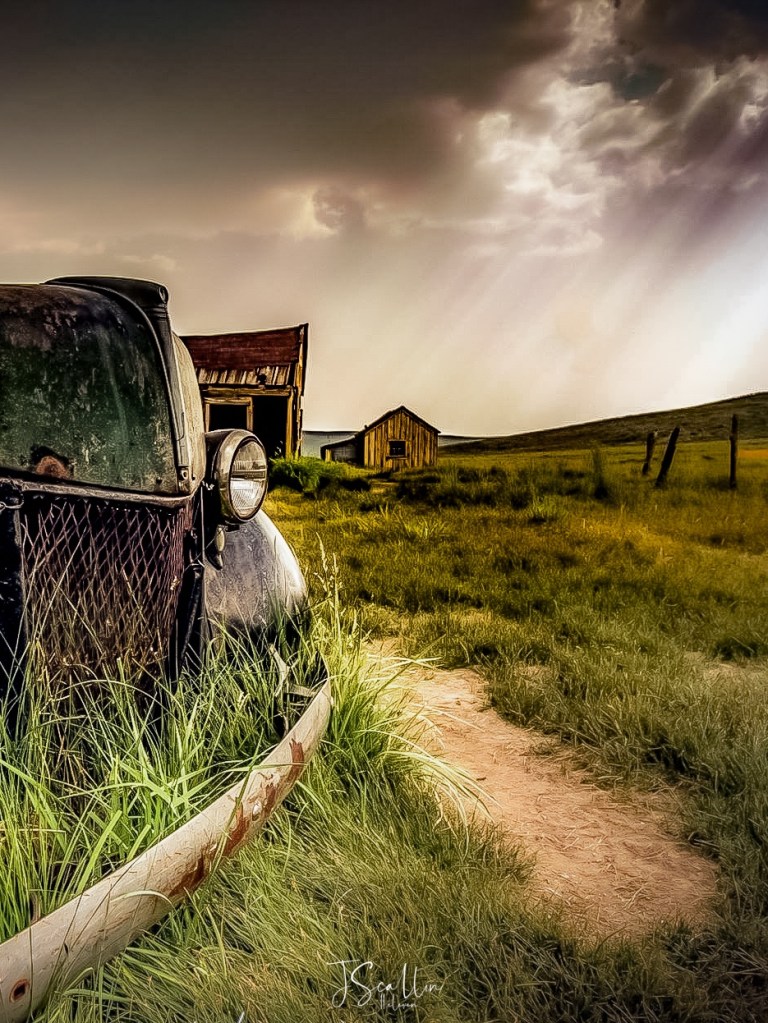
When you align your composition with leading lines, you can create a sense of depth which lets the viewer feel as if they are stepping into the photograph, which for a moment creates this feeling of being in that moment. That is a powerful connection between image and viewer that not only makes your images visually appealing but also engages your viewer emotionally.
Leading lines are more than just a visual guide, they can often be used to create different moods, feelings, and intentions in your photographs. A winding road is a good example. A winding road disappearing up into the mountains can create a feeling of adventure or wanderlust. Adventure often brings a sense of excitement, happiness, or a feeling of freedom. A long straight road disappearing into the horizon of the desert might leave the viewer with a sense solitude or loneliness. That same road lined with trees, disappearing into the forest might bring a feeling of serenity or anxiety depending on if the forest is light or dark.
Your choice of leading lines and how it relates to your composition will have an enormous impact on the mood of your photograph. Consider what you want to convey or express and use leading lines to your advantage.
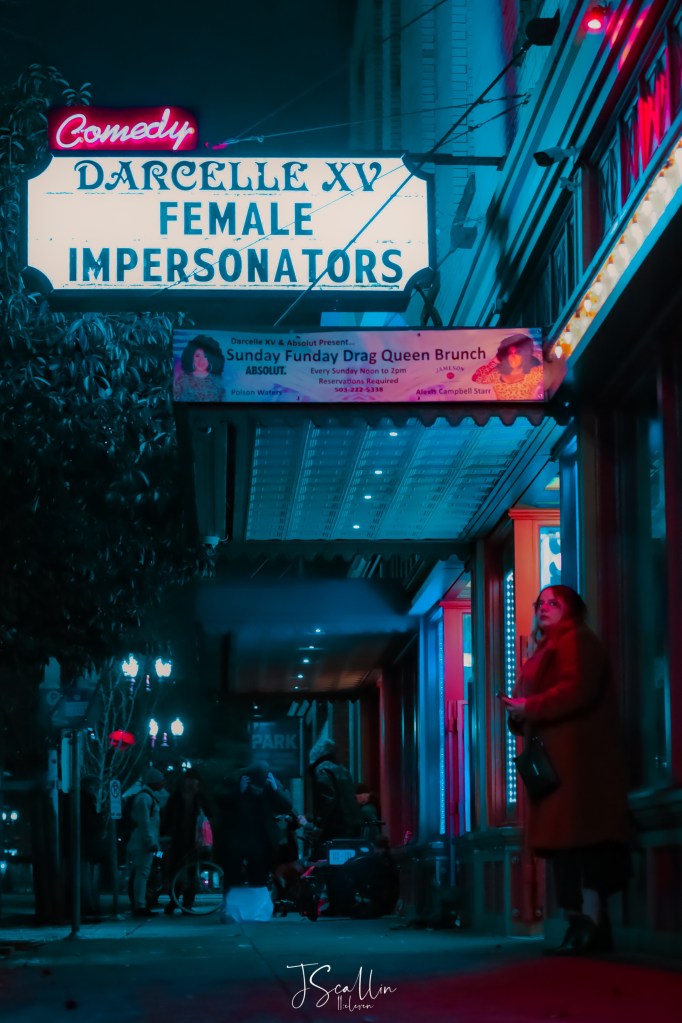
I believe there are four basic principles (rules?) to keep in mind when using leading lines in your photography. But also keep in mind that I am a strong believer in breaking the rules when necessary. Rules schmules I always say. But let’s take a look at them anyways, because you have to know the rules in order to break them, right?
- Converging Lines: If you are using converging leading lines, they should converge toward a point of interest or a focal point in your composition. Converging lines are what creates that sense of depth that draws the viewer’s eye deeper.
- Leading Towards the Subject: Leading lines should naturally lead the viewer’s eye toward the main subject of the photograph. The leading lines can point directly at the subject or gently guide the viewer’s gaze in a direction that leads them to the discovery of the true subject.
- Strong Composition: Leading lines alone could work if you are shooting a minimalist style image, otherwise you should pay attention to the placement of the lines within your frame and how they interact with other elements in the scene. Balance and harmony are essential for creating a visually pleasing image. Think of the rule of thirds.
- Consider Perspective: I believe perspective is everything. We already talked about the various types of leading lines, roads, rivers, train tracks, etc. Experiment with different angles to find the most engaging and dynamic composition that conveys what you are trying to express.
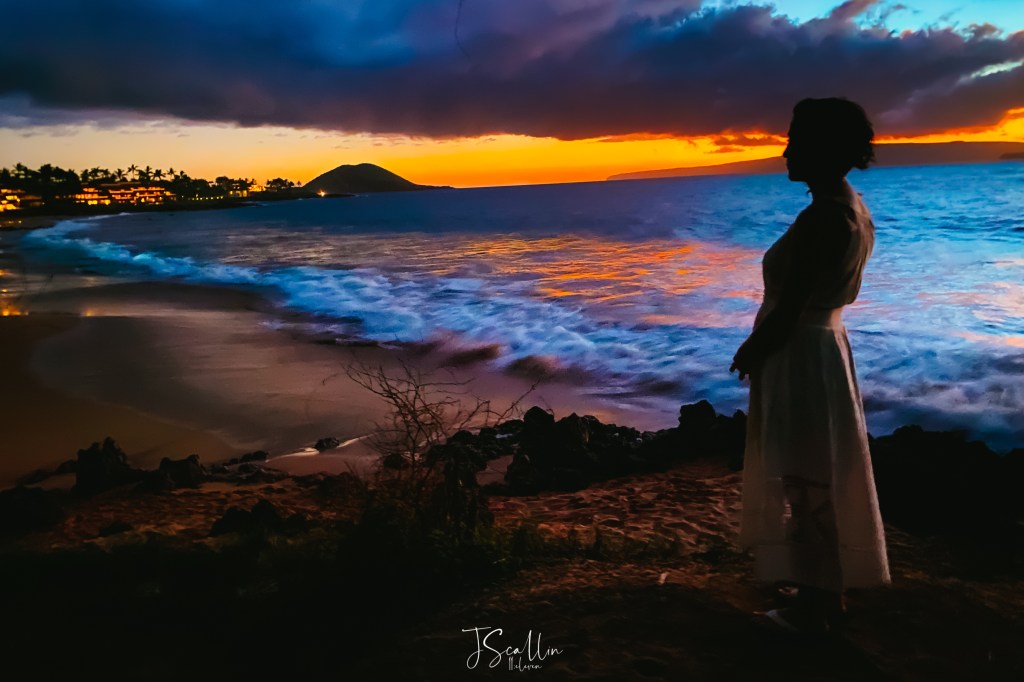
In conclusion, please read the first paragraph again. But seriously, leading lines are a great tool to add depth, draw the viewer in, make a connection between the viewer and the art, creating more of an experience than an image. Thanks for reading, and I hope this was even remotely helpful.
 11:eleven Photography
Leave a comment