
I know it’s called the “rule” of thirds, but I prefer to call it a theory. Rules are meant to be broken, theories are meant to be challenged. It’s more of a guideline, a good place to start from when exploring framing, and creativity.

The theory of thirds (rule, schmule) is a common practice used in composing an image. Imagine dividing your image into three sections, vertically and horizontally. The rule of thirds is placing your subject in one of these sections, along one of these lines, or where these lines intersect.
The concept behind the theory of thirds, is that by placing your subject into one of these thirds, you actually create a more balanced, more engaging composition. Having your subject in the center of the frame often tends to be less interesting and therefore less appealing image. Your subject is already the center of your image by default. Placing your subject in the center of the frame tends to make the space all around your subject lifeless, unusable, and in my opinion unnecessary.

To use the theory of thirds, imagine a grid on top of your image (most DSLR’s have a setting that allows you to actually see the grid in your viewfinder. No more imagining a grid) with two horizontal lines and two vertical lines, creating nine equal parts. By placing your subject in one of these nine sections, or intersecting lines, you are drawing the viewer’s eye to that area and creating a sense of movement and flow.
Is the theory of thirds is not a strict rule, absolutely not, and there may be instances where breaking it actually creates a more dynamic and creative image. However, I feel it is by understanding and using the theory of thirds, that you will understand how and when to break it.
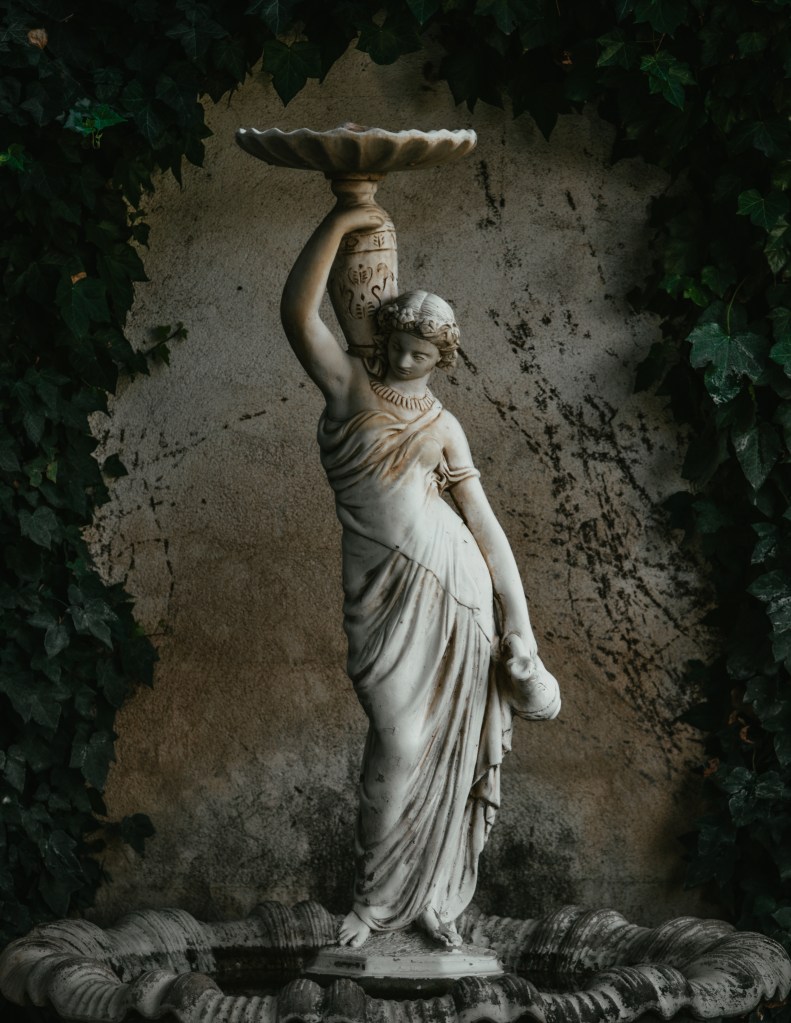
And it doesn’t matter whether you’re a professional photographer, just starting, or just having fun, practicing the theory of thirds can help you take your elevate your compositions. So next time you’re framing a shot, if you’re not already using this theory, give it a shot.
 11:eleven Photography
Leave a comment